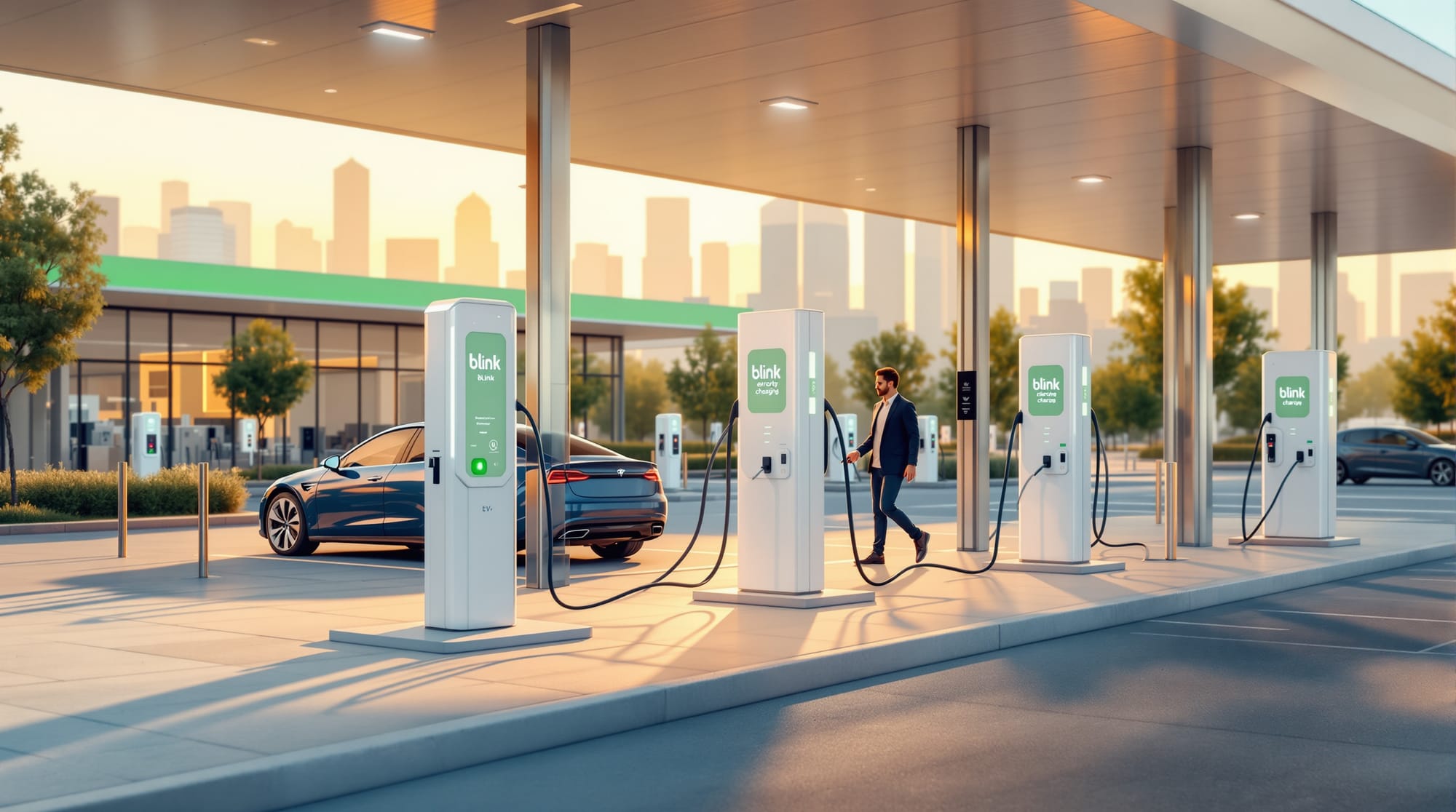
The electric vehicle charging landscape is about to become significantly more user-friendly, as Blink Charging announces a strategic partnership with Emobi to implement plug-and-charge functionality across its extensive network of 56,000 charging ports. This collaboration represents a major step toward solving one of the most persistent pain points in EV adoption: the fragmented and often frustrating experience of finding, accessing, and paying for public charging.
The partnership addresses a fundamental infrastructure challenge that has plagued the EV ecosystem since its inception. Currently, drivers often juggle multiple charging apps, membership cards, and payment systems depending on which network they encounter. Blink's decision to integrate Emobi's plug-and-charge technology across its 56,000-port network promises to streamline this experience dramatically, allowing drivers to simply plug in their vehicles and have authentication, authorization, and payment handled automatically through vehicle-to-infrastructure communication.
Solving the Interoperability Crisis
The move comes at a critical juncture for the EV charging industry, which has struggled with interoperability issues that mirror the early days of mobile phone networks or streaming services. Unlike Tesla's proprietary Supercharger network, which has long offered seamless plug-and-charge functionality for Tesla vehicles, the broader public charging ecosystem has remained fragmented across dozens of different providers, each with their own apps, pricing structures, and user experiences.
Emobi's technology platform specializes in creating seamless connections between different charging networks, apps, and vehicle systems. By partnering with Blink, the company is extending its reach across one of North America's largest charging networks, potentially setting a new standard for how charging infrastructure should operate. The collaboration specifically targets the elimination of friction points that have deterred potential EV buyers who worry about charging complexity during longer trips.
Network Scale and Market Impact
Blink's 56,000 charging ports represent a substantial portion of the public charging infrastructure across North America, making this partnership particularly significant for the broader EV ecosystem. The company has built its network through a combination of owned and operated charging stations, as well as partnerships with retail locations, workplaces, and municipal installations. This wide distribution means that the plug-and-charge functionality will become available in diverse settings, from highway rest stops to urban shopping centers.
The timing aligns with accelerating EV adoption and increasing pressure on charging networks to improve user experience. As automakers commit to electrification timelines and governments implement supportive policies, charging infrastructure providers face mounting expectations to deliver Tesla-like convenience across all vehicle brands. The Blink-Emobi partnership represents a direct response to these market demands.
Technical Integration and Implementation
While specific technical details of the implementation timeline remain to be announced, plug-and-charge technology typically relies on standardized communication protocols between vehicles and charging stations. This involves vehicles securely transmitting identification and payment information directly to charging infrastructure, eliminating the need for separate authentication steps through mobile apps or RFID cards.
The success of this partnership will largely depend on vehicle manufacturer adoption of compatible communication standards and Blink's ability to upgrade its existing hardware infrastructure where necessary. Modern EVs from major manufacturers increasingly support these protocols, but older charging stations may require firmware updates or hardware modifications to enable the seamless experience that Emobi promises.
Industry Implications
This partnership signals a broader industry shift toward consolidation and standardization in the EV charging space. As the market matures, charging network operators are recognizing that user experience differentiation may be more valuable than proprietary lock-in strategies. The collaboration between Blink and Emobi suggests that even large network operators see value in partnering with specialized technology providers rather than developing all capabilities in-house.
For consumers, the immediate benefit is clear: reduced complexity when using public charging infrastructure. For the industry, this partnership could accelerate adoption of plug-and-charge standards and encourage similar collaborations between other network operators and technology providers. The move also positions both companies to compete more effectively against Tesla's integrated charging ecosystem and other emerging players in the space.
The success of this initiative will likely influence how other major charging networks approach interoperability and user experience improvements. As EV adoption continues to accelerate, seamless charging experiences are becoming not just a competitive advantage, but a basic expectation from increasingly sophisticated electric vehicle drivers.
Written by the editorial team — independent journalism powered by Pressnow.
Sources: Electrek · May 7, 2026