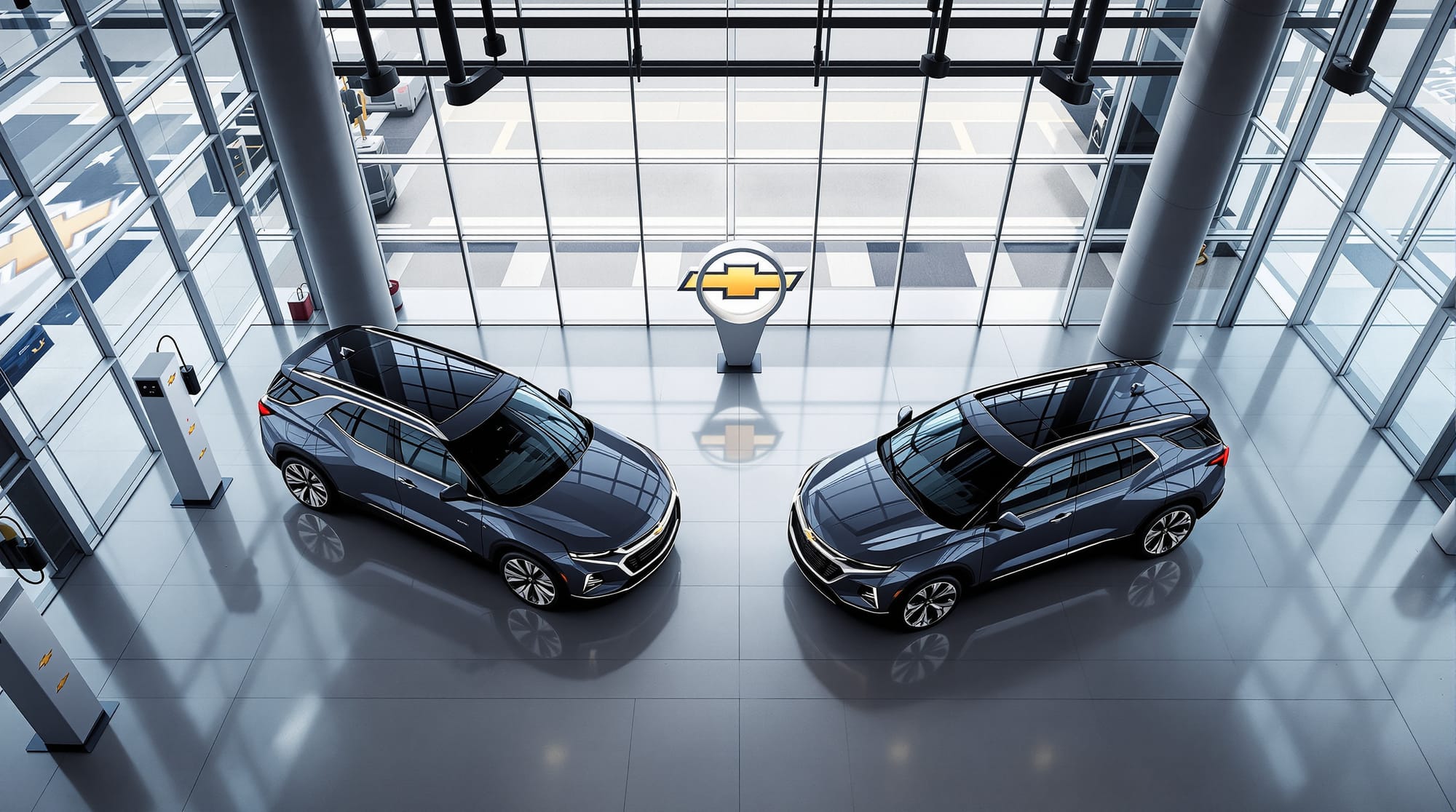
Chevrolet is preparing meaningful updates for its electric vehicle lineup, with the 2027 Equinox EV and Blazer EV set to receive improvements that directly address customer feedback from the current generation. These changes represent General Motors' commitment to iterative improvement in the competitive electric crossover segment, where customer satisfaction often determines long-term market success.
The timing of these updates reflects the automotive industry's accelerated development cycles for electric vehicles, where manufacturers must balance rapid technological advancement with customer experience refinement. Unlike traditional internal combustion engine vehicles that might receive major updates every five to seven years, EVs face pressure to evolve more quickly as battery technology, software capabilities, and charging infrastructure mature at breakneck pace.
Customer complaints have become increasingly valuable data points for automakers navigating the electric transition. The feedback loop between early EV adopters and manufacturers has compressed dramatically, with social media and online forums providing real-time insights into pain points that might have taken years to surface through traditional channels. For Chevrolet, addressing these concerns proactively with the 2027 model year demonstrates awareness that customer retention in the EV space requires continuous improvement rather than the set-and-forget approach that worked for decades in conventional automotive segments.
The Equinox EV and Blazer EV occupy crucial positions in Chevrolet's electric portfolio, targeting mainstream consumers who want practical electric crossovers without premium pricing. These vehicles represent GM's attempt to democratize electric mobility beyond the luxury segment that Tesla and other premium brands have dominated. Success in this mass-market space requires not just competitive specifications on paper, but real-world usability that matches or exceeds customer expectations formed by decades of internal combustion engine ownership.
The electric crossover segment has become particularly competitive, with traditional automakers like Ford, Hyundai, and Volkswagen launching compelling alternatives while Tesla continues to refine its Model Y platform. In this environment, addressing customer complaints quickly becomes a competitive necessity rather than merely good customer service. Buyers comparing electric crossovers scrutinize user reviews and owner experiences more intensively than they might for conventional vehicles, making reputation management critical for market share growth.
While specific details of the 2027 updates remain under wraps, the automotive industry has seen common patterns in EV improvement cycles. Software updates often address user interface complaints, charging behavior gets refined based on real-world usage data, and hardware changes might target range optimization, cabin noise reduction, or build quality issues identified through warranty claims and customer feedback. The most successful EV manufacturers have demonstrated ability to implement meaningful changes rapidly rather than waiting for complete redesign cycles.
The broader implications extend beyond Chevrolet's immediate customer base. As one of America's most recognizable automotive brands, Chevrolet's success or failure in the electric transition influences consumer perception of domestic EV capabilities. The company's willingness to acknowledge and address customer complaints publicly signals confidence in its long-term electric strategy and commitment to continuous improvement rather than defensive posturing about existing products.
These updates also reflect the maturing relationship between traditional automakers and their electric vehicle customers. Early EV adopters often display higher tolerance for quirks and limitations, viewing themselves as participants in technological evolution. However, as EVs move toward mainstream adoption, customer expectations align more closely with conventional vehicle standards for reliability, refinement, and user experience. Chevrolet's proactive approach to addressing complaints suggests recognition of this shifting dynamic.
Written by the editorial team — independent journalism powered by Pressnow.
Sources: Electrek · May 22, 2026