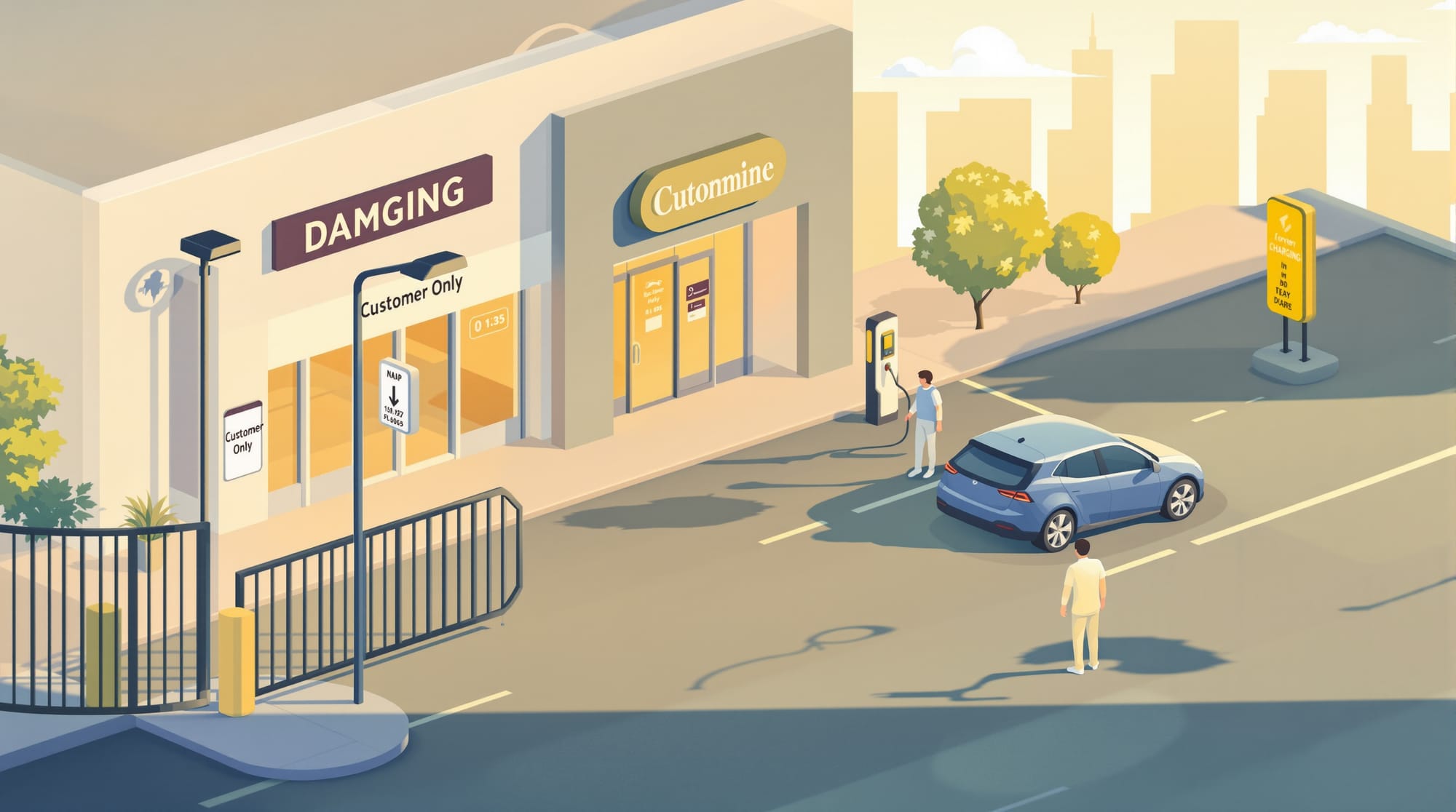
The electric vehicle revolution promised seamless integration into our daily routines, with charging as simple as filling up at a gas station. But a critical flaw in the charging network is undermining that promise, creating barriers where there should be bridges. Thousands of charging stations listed as "public" infrastructure are actually trapped behind dealership policies that turn routine charging into an obstacle course of restrictions and frustrations.
When new EV drivers open charging apps for the first time, they're greeted by what appears to be a robust network of available charging points. Many of these stations sit prominently at local car dealerships, seemingly offering convenient access throughout communities nationwide. The reality proves far more complicated. These dealership-based chargers operate under a patchwork of limitations that can transform a simple charging stop into a maddening experience.
The problems begin with basic accessibility. Unlike traditional gas stations that operate around the clock, dealership charging stations follow retail hours, often closing evenings and weekends when many drivers most need to charge. Security gates compound the issue, physically blocking access during off-hours or restricting entry to verified customers only. Some locations implement customer-only policies that effectively exclude the broader driving public, despite their charging stations appearing on public charging networks.
Pricing presents another minefield. While established charging networks maintain relatively consistent rate structures, dealership charging follows what can only be described as "Wild West" pricing policies. Some locations charge premium rates that far exceed market standards, while others implement confusing fee structures or require specific payment methods that catch drivers unprepared. The unpredictability creates anxiety around what should be a routine transaction.
The Ripple Effect on EV Adoption
These accessibility barriers create consequences that extend far beyond individual inconvenience. For first-time EV drivers already navigating range anxiety and charging network learning curves, encountering locked gates or customer-only restrictions can feel like confirmation of their worst fears about electric vehicle ownership. The frustration doesn't just reflect poorly on the specific dealership—it colors their entire perception of EV viability.
The psychological impact proves particularly damaging because dealership encounters often represent early charging experiences for new EV owners. Ford, Chevrolet, and other major automakers have invested heavily in expanding dealership charging infrastructure as part of their electrification strategies. When these same locations create negative experiences, they undermine the broader industry effort to build consumer confidence in electric vehicles.
The issue also highlights a fundamental misalignment between how charging infrastructure appears in digital systems versus real-world accessibility. Charging apps aggregate stations from multiple networks and providers, creating the appearance of comprehensive coverage. But the user experience depends entirely on the policies and practices of individual site operators, many of whom never intended their charging stations to serve as true public infrastructure.
Toward Real Solutions
Addressing this challenge requires coordinated action across multiple stakeholders. Charging app developers need to implement clearer labeling systems that distinguish between genuinely public stations and those with significant access restrictions. Real-time availability data should include not just technical functionality but also operational status, including security gate positions and customer policy enforcement.
Dealerships themselves must decide whether they want to participate meaningfully in public charging infrastructure or limit their stations to customer service functions. Half-measures that promise public access while maintaining restrictive policies serve nobody well. Those choosing to offer genuine public charging need standardized pricing, extended hours, and clear accessibility protocols.
Regulatory frameworks also need updating to address the gap between advertised and actual charging availability. Public funding for charging infrastructure should come with accessibility requirements that ensure taxpayer investments actually serve public needs. Private operators receiving government incentives should meet minimum standards for operational transparency and access consistency.
The stakes extend beyond individual driver frustration to the broader success of transportation electrification. Every negative charging experience creates ripple effects through social networks, potentially influencing multiple purchase decisions. As the industry works to achieve mainstream EV adoption, eliminating these unnecessary friction points becomes essential for maintaining momentum toward a sustainable transportation future.
Written by the editorial team — independent journalism powered by Pressnow.
Sources: Electrek · June 6, 2026