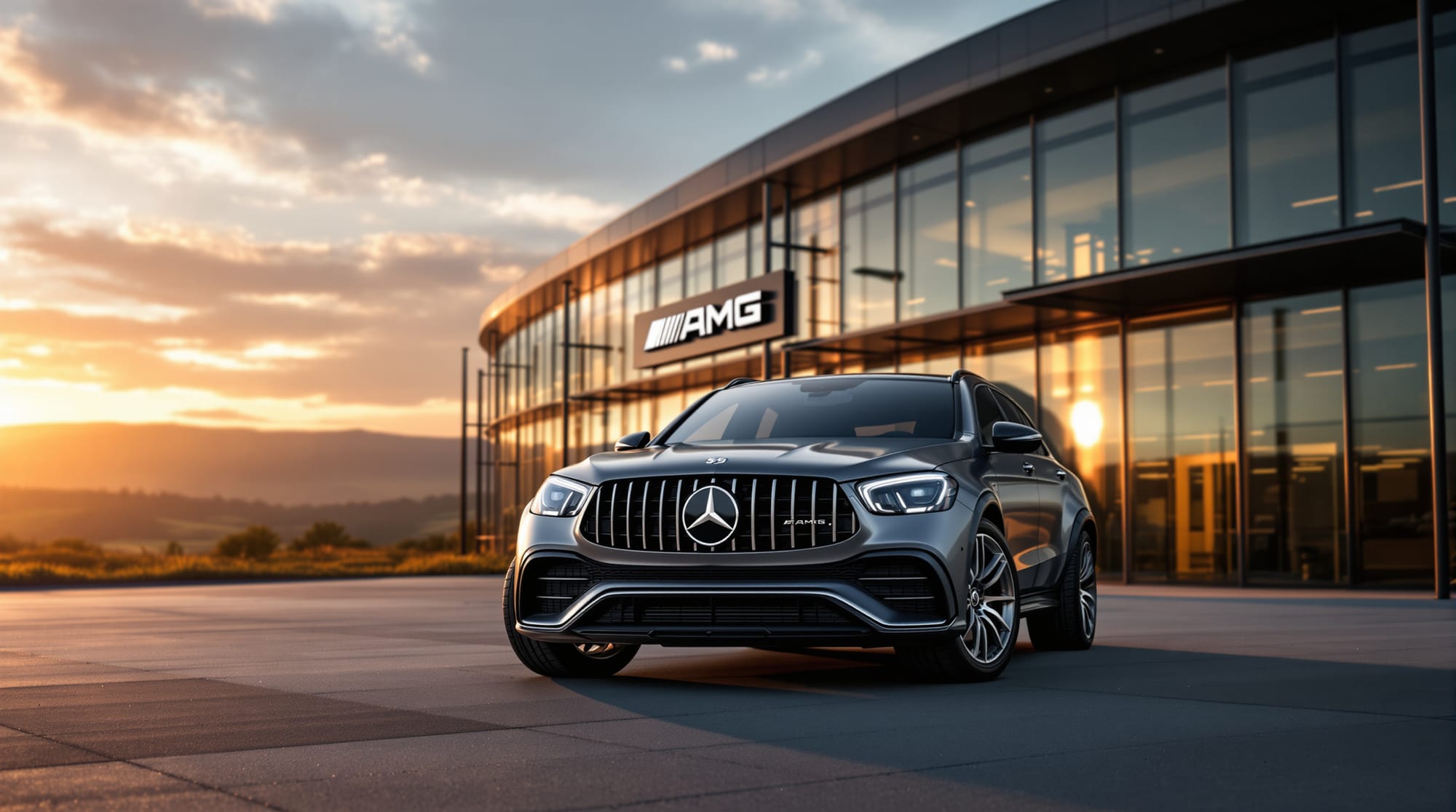
The automotive industry's rush toward electrification has claimed many casualties, but few reversals have been as telling as Mercedes-AMG's dramatic about-face with the new GLC 53. After spending three years defending the commercially divisive GLC 63 S E-Performance and its complex four-cylinder plug-in hybrid system, AMG's Affalterbach division has fundamentally reshaped its mid-size SUV strategy around a simple truth: sometimes more technology isn't better technology.
The new GLC 53 represents more than just a model refresh—it's a philosophical retreat from the hybrid complexity that defined AMG's recent direction. Where the previous generation offered buyers a choice between the four-cylinder GLC 43 and the heavily electrified GLC 63 S E-Performance, the new lineup consolidates around a single six-cylinder proposition designed to balance genuine performance with everyday usability. The message is clear: AMG listened to customer feedback and found that technical ambition alone doesn't guarantee market success.
The Hybrid Experiment's Mixed Legacy
The GLC 63 S E-Performance that the new GLC 53 effectively replaces was undeniably impressive on paper. Its four-cylinder engine combined with electric assistance delivered substantial power figures and environmental credentials that looked good in boardroom presentations. However, the system's complexity created real-world challenges that resonated poorly with AMG's traditional customer base. The commercially divisive reception of this technically ambitious powertrain has become a cautionary tale about the risks of prioritizing innovation over user experience.
AMG's decision to step back from this plug-in hybrid formula reflects broader industry tensions around electrification timelines and customer acceptance. While regulatory pressures continue to push manufacturers toward electrified solutions, the GLC 53's return to conventional power suggests that premium performance brands still have room to maneuver when their core customers resist overly complex solutions.
Six Cylinders and Streamlined Focus
The new GLC 53's six-cylinder approach mirrors changes already implemented in the CLE 53 Coupé and Cabriolet, where AMG has begun moving away from heavily electrified four-cylinder powertrains in favor of larger-capacity engines with more traditional character. This strategy acknowledges that for many performance SUV buyers, the visceral experience of internal combustion remains irreplaceable, even as the industry transitions toward electric futures.
By emphasizing drivability over technological complexity, the GLC 53 attempts to recapture the spirit of the original GLC 63, which used a turbocharged 4.0-litre V8 that remains one of the defining engines of the modern AMG era. While the new model's six-cylinder configuration represents a step down from that V8's cylinder count, it offers a more sustainable path forward that balances performance expectations with contemporary efficiency requirements.
Strategic Implications for Performance Luxury
The GLC 53's development philosophy suggests that AMG has learned valuable lessons about the pace of technological change in the luxury performance segment. Rather than forcing customers to adapt to complex new systems, the brand has chosen to evolve more gradually, prioritizing refinement over revolution. This approach may prove prescient as other luxury manufacturers grapple with similar challenges around hybrid complexity and customer acceptance.
The emphasis has shifted slightly away from outright aggression toward a more rounded and mature character, reflecting AMG's growing understanding that modern performance SUV buyers want capability without compromise. The single-model strategy also simplifies the buying decision for customers while allowing AMG to focus development resources more efficiently.
The GLC 53's arrival signals that even in an era of rapid electrification, there remains space for manufacturers to pause, reassess, and adjust course based on market realities. AMG's willingness to step back from its plug-in hybrid experiment demonstrates the kind of strategic flexibility that will likely prove essential as the automotive industry navigates the complex transition toward electrified mobility. For performance SUV enthusiasts, this return to mechanical simplicity may represent exactly the kind of mature evolution the segment needed.
Written by the editorial team — independent journalism powered by Pressnow.
Sources: Autocar · May 26, 2026