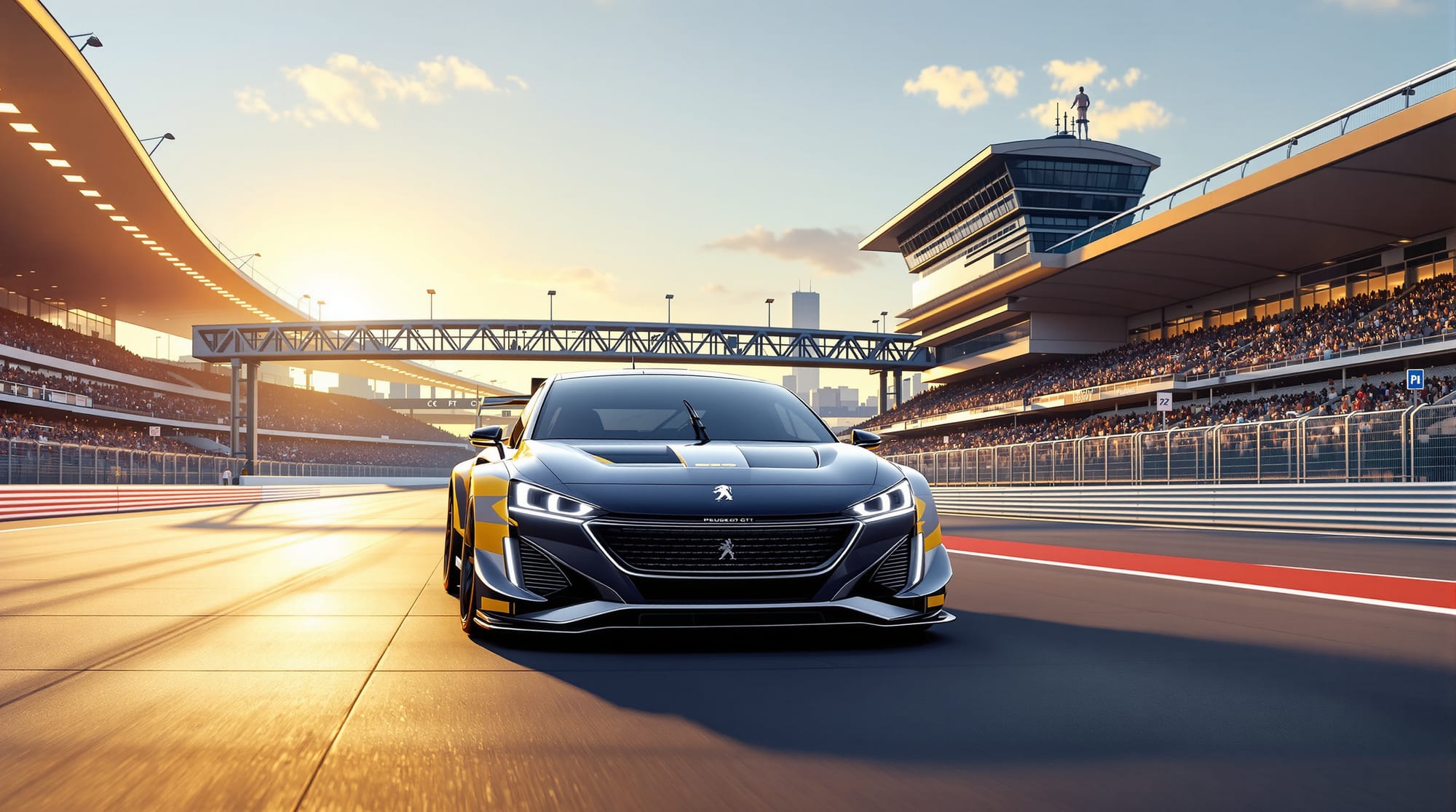
The electric performance car revolution just gained another heavyweight contender, and it's arriving at one of motorsport's most hallowed grounds. Peugeot chose the legendary 24 Hours of Le Mans this weekend to unveil its new E-208 GTi, a 280-horsepower electric hot hatch that resurrects one of the most storied nameplates in affordable performance car history.
The timing and venue speak volumes about Peugeot's intentions. Le Mans isn't just any racing circuit—it's where automotive legends are born and where manufacturers showcase their most ambitious technological achievements. By debuting the E-208 GTi at this iconic French endurance race, Peugeot signals that electric performance isn't a compromise or consolation prize, but the future of serious driving excitement.
The 280-horsepower output represents a significant leap forward for electric hot hatches, positioning the E-208 GTi as a genuine performance machine rather than an eco-conscious curiosity. This power figure puts it in direct competition with traditional internal combustion hot hatches while promising the instant torque delivery that only electric motors can provide. For context, that's substantially more power than many beloved classics from the original hot hatch era, delivered with zero emissions and the kind of instantaneous response that ICE engines simply cannot match.
The Electric Revival Movement Gains Momentum
Peugeot's move represents more than just one manufacturer's electric ambitions—it's part of a broader renaissance of classic performance brands adapting to electrification. The E-208 GTi joins reborn 80s icons from Lancia and Renault in proving that electrification doesn't mean abandoning automotive soul or performance heritage. These manufacturers are discovering that electric powertrains can actually enhance the characteristics that made their classic hot hatches so beloved: immediate throttle response, precise weight distribution, and the ability to deliver maximum performance from relatively compact packages.
The revival trend reflects a sophisticated understanding of what made the original hot hatch era so special. It wasn't just about raw power—though the E-208 GTi's 280 horses certainly deliver that—but about accessibility, character, and the pure joy of driving. Electric powertrains, when properly implemented, can amplify these qualities while adding new dimensions of performance that weren't possible in the analog era.
French Performance DNA Meets Electric Innovation
Peugeot's choice to resurrect the GTi badge carries particular significance within the hot hatch pantheon. The original 205 GTi helped define the template for small, light, powerful cars that prioritized handling and driver engagement over straight-line speed. The E-208 GTi faces the challenge of translating these core values into an electric package while meeting modern expectations for refinement, technology, and environmental responsibility.
The Le Mans debut also serves as a powerful statement about French automotive engineering's continued relevance in the global performance car market. As German and Japanese manufacturers have dominated premium performance segments, French brands have sometimes struggled to maintain their sporting credibility. The E-208 GTi represents an opportunity for Peugeot to reclaim its position as a serious player in the performance car conversation, using electric technology as a differentiator rather than a limitation.
What makes this development particularly intriguing is how it challenges conventional wisdom about electric vehicle positioning. Rather than focusing solely on efficiency or environmental benefits, Peugeot is leading with performance credentials and emotional appeal. The 280-horsepower figure isn't buried in technical specifications—it's front and center, signaling that this car is designed to thrill first and satisfy regulatory requirements second.
Implications for the Broader Market
The emergence of genuinely exciting electric hot hatches like the E-208 GTi could prove pivotal in accelerating broader EV adoption. Hot hatch buyers represent some of the most passionate and influential enthusiasts in the automotive community. If Peugeot and its competitors can win over these traditionally skeptical performance purists, the ripple effects could extend far beyond the relatively small hot hatch segment.
The Le Mans unveiling also positions the E-208 GTi within a broader narrative about electric performance that extends from grassroots motorsport to Formula E and beyond. As racing series increasingly embrace electrification, road cars like the E-208 GTi serve as crucial bridges between cutting-edge motorsport technology and everyday driving experiences. This connection helps justify the premium that electric performance cars typically command while building credibility for the broader electric transition.
For gaming and sim racing enthusiasts, the E-208 GTi's debut represents another step toward a future where virtual and real-world performance cars share increasingly similar powertrains and characteristics. As electric vehicles become more prevalent in racing games and simulators, players will find their virtual experiences more directly applicable to real-world driving, creating new opportunities for crossover between digital and physical automotive passion.
Written by the editorial team — independent journalism powered by Pressnow.
Sources: Electrek · June 13, 2026