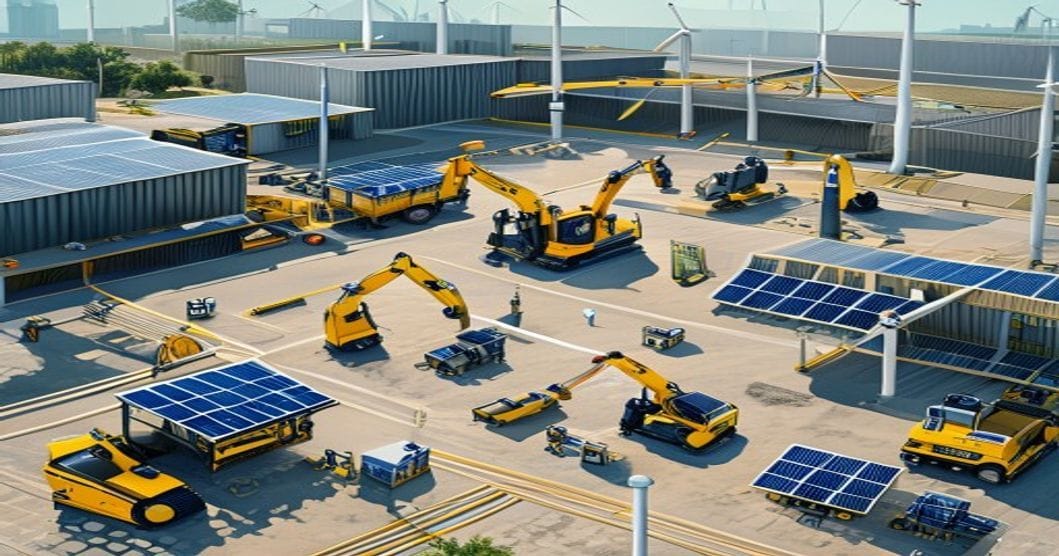
The construction industry stands at a pivotal moment as two industrial giants forge an alliance that could reshape how major building projects approach energy consumption and environmental impact. Volvo Construction Equipment and Hitachi Energy have formalized a memorandum of understanding aimed at accelerating the deployment of battery electric construction equipment powered entirely by renewable energy sources, backed by sophisticated energy storage and management systems.
This partnership represents more than a simple equipment electrification initiative—it signals a comprehensive approach to transforming construction sites into zero-emission work environments. The collaboration combines Volvo CE's expertise in heavy machinery electrification with Hitachi Energy's advanced grid solutions and energy storage technologies, creating an integrated ecosystem designed to eliminate fossil fuel dependency on construction projects.
The technical scope of this alliance addresses one of the construction industry's most persistent challenges: maintaining operational efficiency while dramatically reducing carbon emissions. Traditional construction sites rely heavily on diesel-powered equipment, generators, and fuel-intensive logistics chains. The Volvo-Hitachi partnership envisions job sites where battery electric excavators, loaders, and haulers operate continuously through intelligent energy management systems that optimize power distribution, storage, and renewable energy integration.
Central to this vision is the development of smart charging infrastructure that can adapt to the demanding operational requirements of construction environments. Unlike passenger vehicle charging networks, construction site power systems must handle extreme load variations, support rapid charging between shifts, and maintain reliability in harsh environmental conditions. Hitachi Energy's grid stabilization and energy storage expertise becomes crucial in creating systems that can buffer renewable energy sources like solar and wind to provide consistent power availability regardless of weather conditions.
The partnership also addresses the broader economic implications of construction industry electrification. While initial capital investments for electric equipment and supporting infrastructure remain substantial, the operational cost advantages of electric powertrains—including reduced fuel expenses, lower maintenance requirements, and decreased regulatory compliance costs—create compelling long-term value propositions for major contractors and project developers.
Implementation timelines and specific deployment targets remain to be detailed as the companies move from memorandum to concrete project commitments. However, the partnership arrives at a moment when construction companies face increasing pressure from both regulatory frameworks and client sustainability requirements. Major infrastructure projects, particularly those involving government contracts or corporate real estate development, increasingly mandate carbon reduction goals that traditional diesel-powered equipment cannot meet.
The success of this alliance will likely depend on the companies' ability to demonstrate that zero-emission job sites can maintain the productivity standards and operational flexibility that construction projects demand. Early pilot implementations will need to prove that battery electric equipment can handle full-shift operations, rapid deployment requirements, and the variable power demands that characterize different construction phases.
Beyond immediate operational considerations, this partnership positions both companies at the forefront of an industry transformation that extends well beyond individual construction projects. As cities worldwide implement stricter emissions regulations and clients demand verifiable sustainability metrics, the ability to deliver proven zero-emission construction solutions becomes a competitive differentiator that could reshape contractor selection processes and project planning methodologies across the global construction industry.
Written by the editorial team — independent journalism powered by Pressnow.
Sources: Electrek · June 1, 2026